Taste the Soul of Lucknow
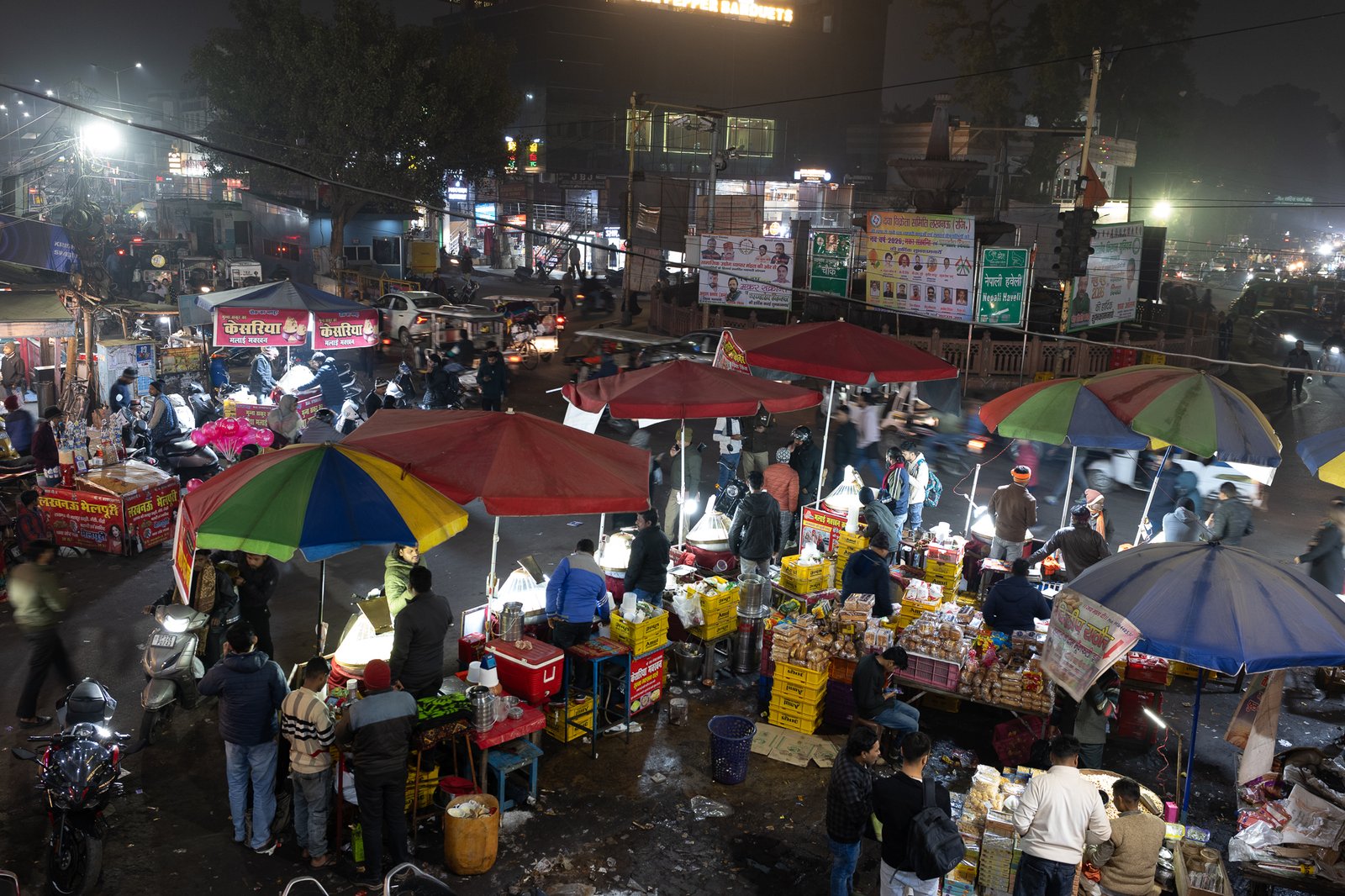
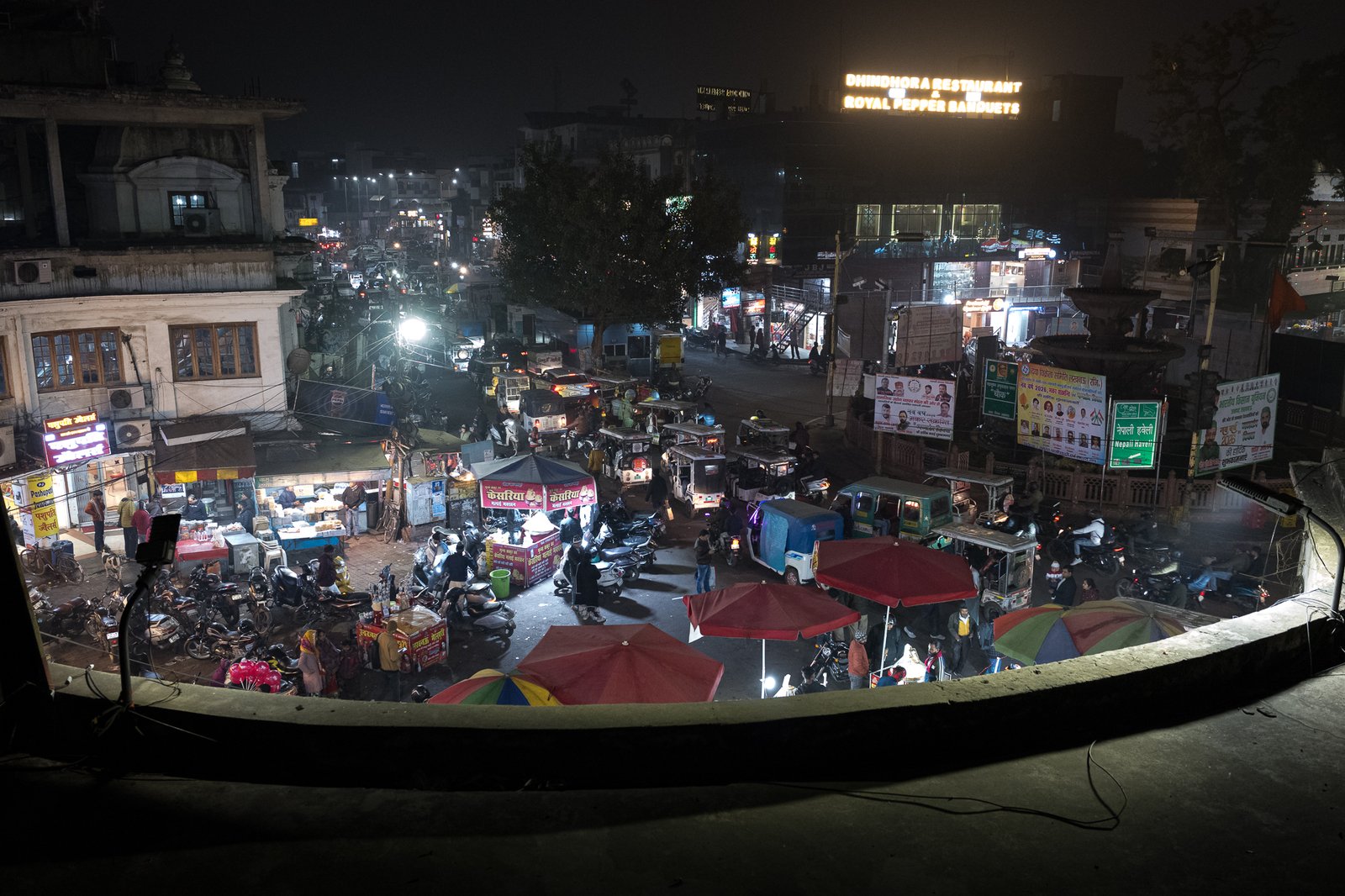
Lucknow's cuisine is as storied as its monuments. On this guided Awadhi Food Walk, expert host Vishal Kaushal takes you through the lanes of Aminabad and the old city to taste the dishes that have defined Nawabi culture for centuries — from the melt-in-the-mouth Galawati kebab to fragrant biryanis, creamy kulfi, and crispy basket chaat.
This is not just a food tour — it's an edible history of Lucknow. At each stop, Vishal shares the stories behind the dishes: why the Galawati kebab was invented for a toothless Nawab, how the dum pukht technique seals flavour, and what makes Lucknowi biryani distinct from all others. Come hungry.
What's on the Menu
Tunday Kababi
Taste the world-famous Mutton Galawati kebab at Lucknow's most legendary eatery, open since 1905.
Lucknowi Biryani
Savour the delicate, dum-cooked Awadhi biryani — fragrant with whole spices and slow-cooked to perfection.
Basket Chaat
Try Lucknow's beloved street snack — a crispy potato basket filled with tangy, spiced chaat toppings.
Expert Local Guide
Vishal's stories bring every dish to life — the history, the family recipes, and the Nawabs who inspired them.
Kulfi & Sweets
End with Lucknow's iconic Makkhan Malai / Nimish, kulfi, and traditional mithai from a century-old halwai shop.
Flexible Scheduling
Morning and evening slots available daily to fit your itinerary.
Your Tour Route
-
1Meeting Point
Teele Wali Masjid, Pakka Pul, Machchhi Bhavan
We meet at Teele Wali Masjid, Pakka Pul, Machchhi Bhavan, Lucknow-226003. Vishal introduces how Lucknow became the capital and gives an overview of the tour route ahead.
-
212 minutes
Bada Imambara
Learn the history of the Imambara and how it was created by the architect Kifyat-ullah. Discover the qualities of Nawab Asaf-ud-Daula and why this magnificent complex was built.
-
312 minutes
Rumi Darwaza
Learn about the iconic architecture of this grand gateway — the climax of the tour. One of the most photographed monuments in all of India, standing as a symbol of Nawabi Lucknow.
-
412 minutes
Husainabad Clock Tower
A Gothic-Victorian architectural marvel designed by Richard Roskell Bayne. Learn about Lucknow's pivotal role in the Revolt of 1857 and the history behind this remarkable tower.
-
512 minutes
Satkhanda
Learn the history related to Nawab Mohammad Ali Shah and discover why Satkhanda was left incomplete — a mystery that has fascinated historians for generations.
-
612 minutes
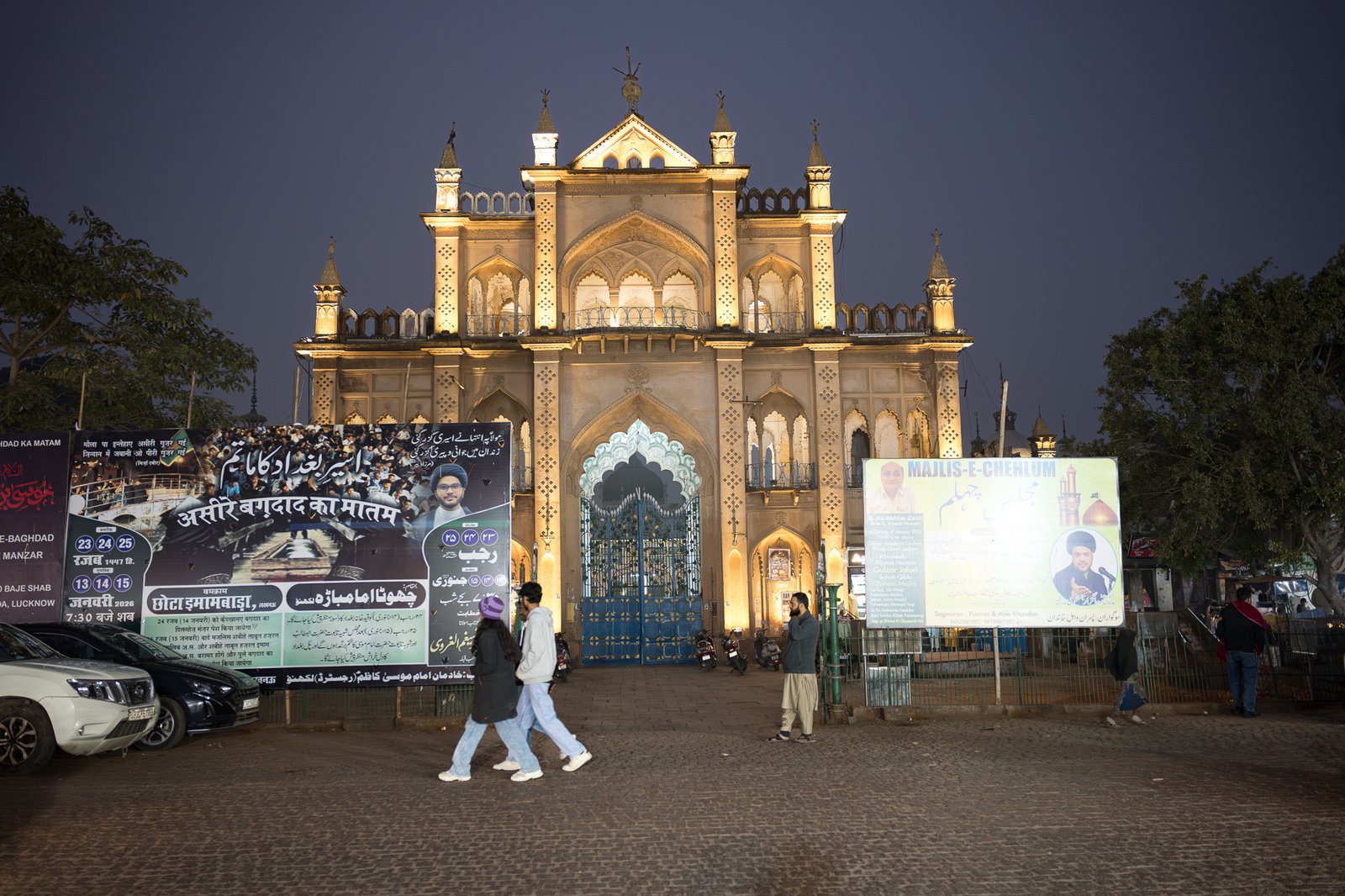
Chota Imambara
Learn about the significance of Chota Imambara amongst locals — a place of deep cultural and religious importance to the people of Lucknow.
-
760 minutes
Gol Darwaza & Oldest Market of Lucknow
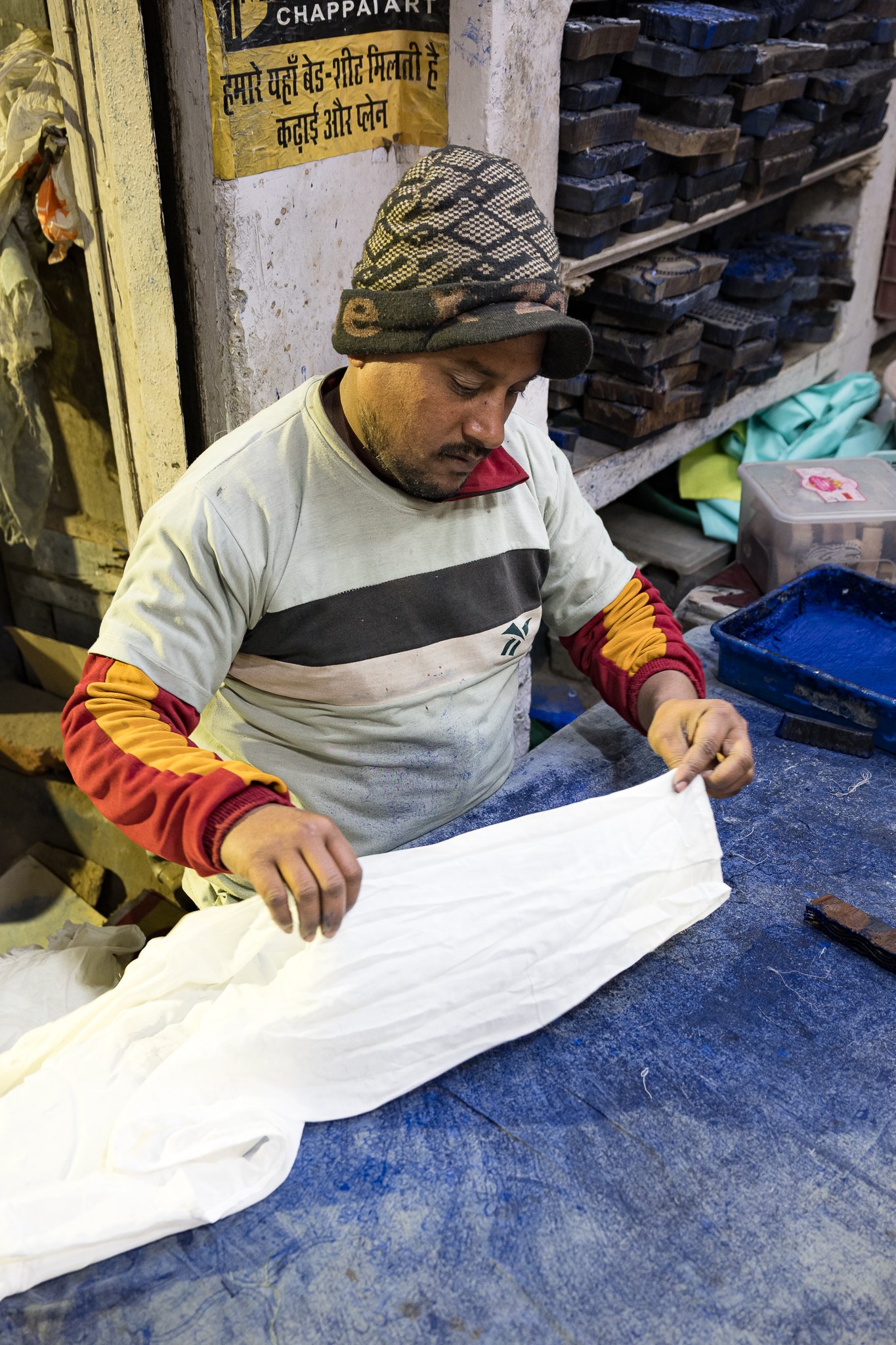
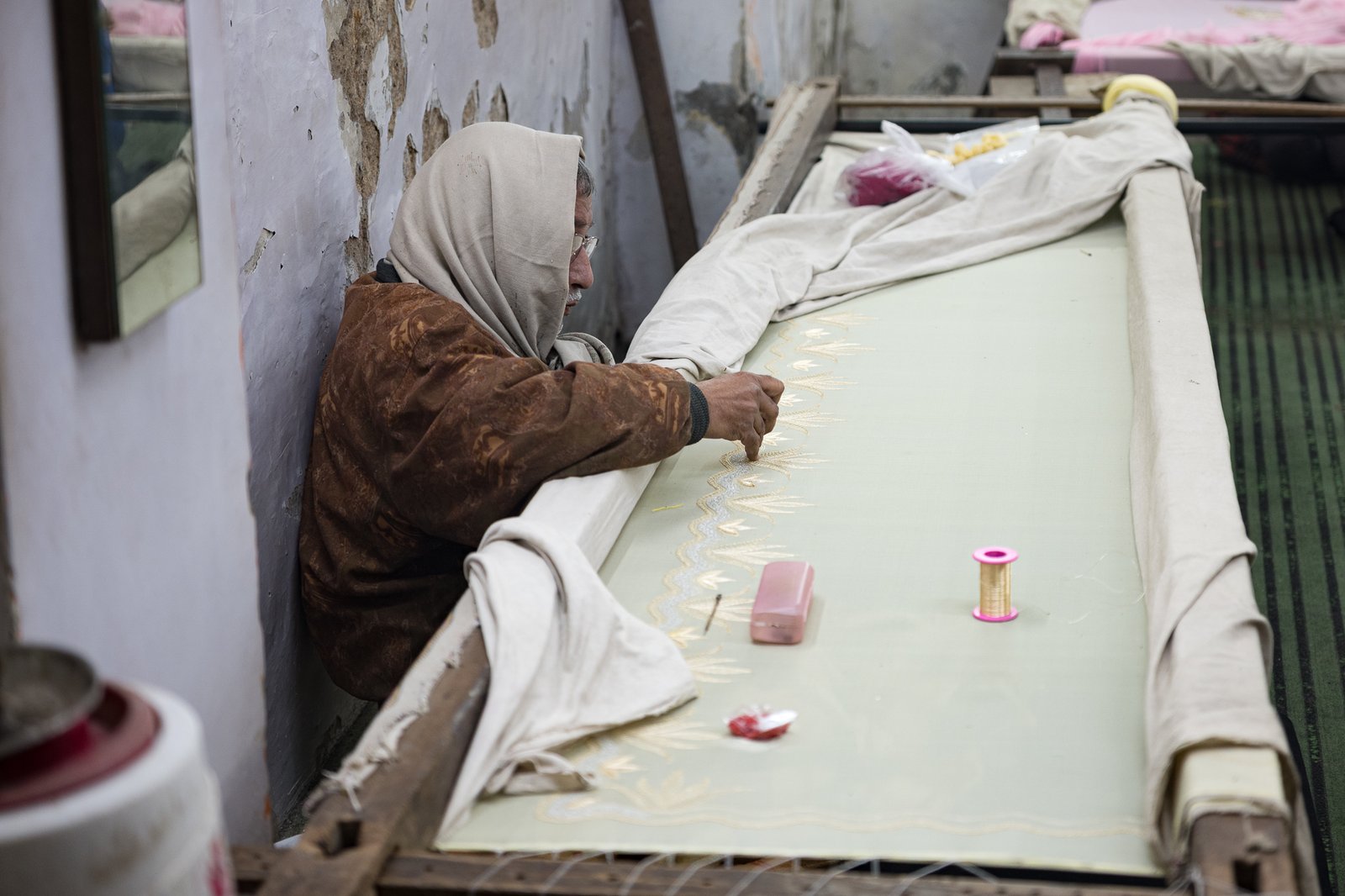
Learn about one of the most famous landmarks of the city. Wazir Begum of Awadh originally designed the Gol Darwaza, later altered by the British with Italian-style domes replacing the concrete elephants. The gate was often visited by Asaf-ud-Daula for rooftop kite-flying. Explore the Chikan artwork, Zari, and Itar of the old bazaar, and visit the "Unani Shifakhana" — built in 1832 by King Nasir-ud-din-Haider.
Everything You Need
- Expert guided food walk with Vishal Kaushal
- All food tastings at every stop
- Galawati kebab at Tunday Kababi
- Basket chaat, biryani, nihari, kulfi & mithai
- Cultural commentary and food history at each stop
- Small group experience (max 10 guests)
Not Included
- Transport to the meeting point
- Additional food or drinks beyond the tour stops
- Alcoholic beverages