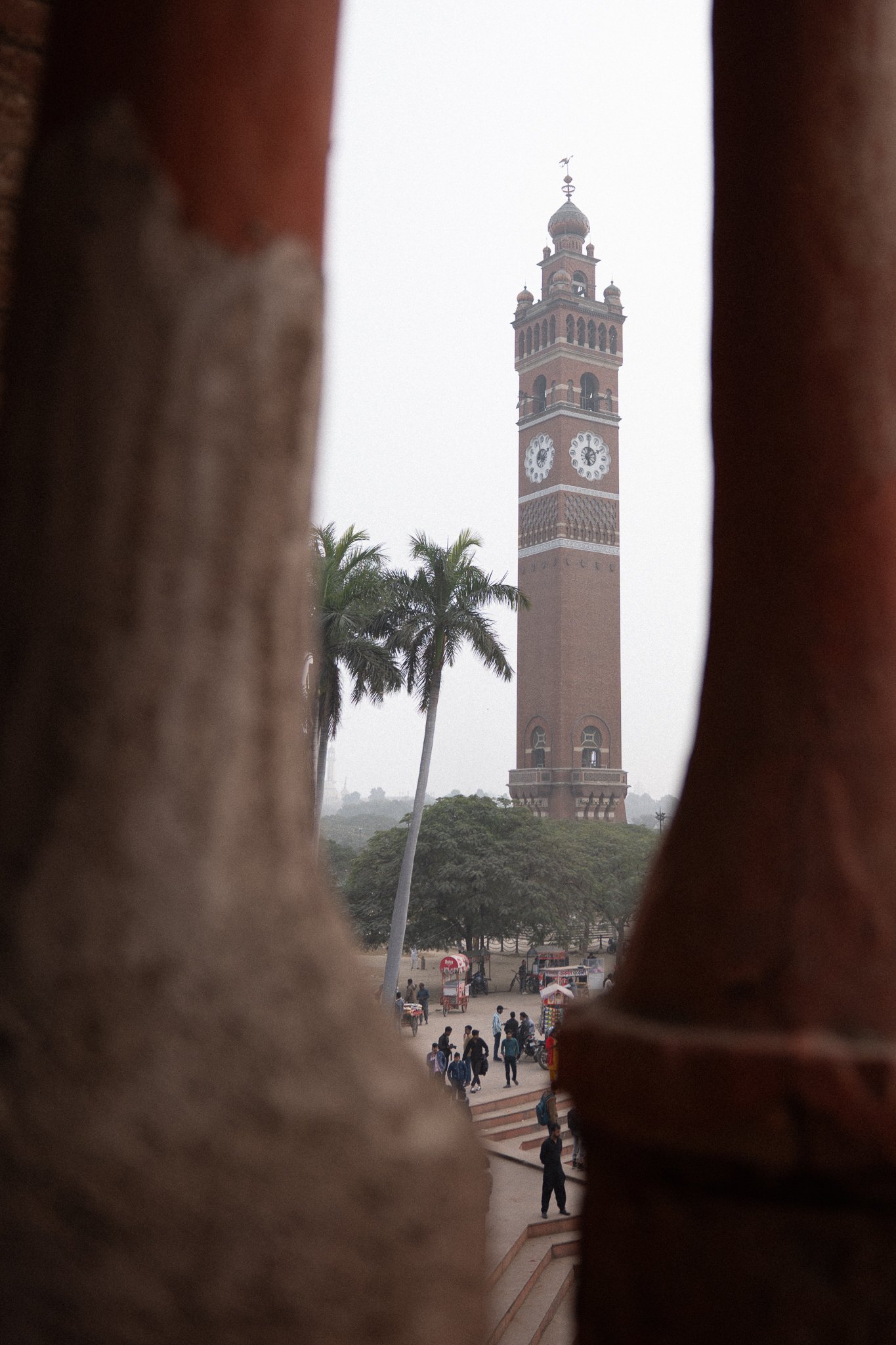
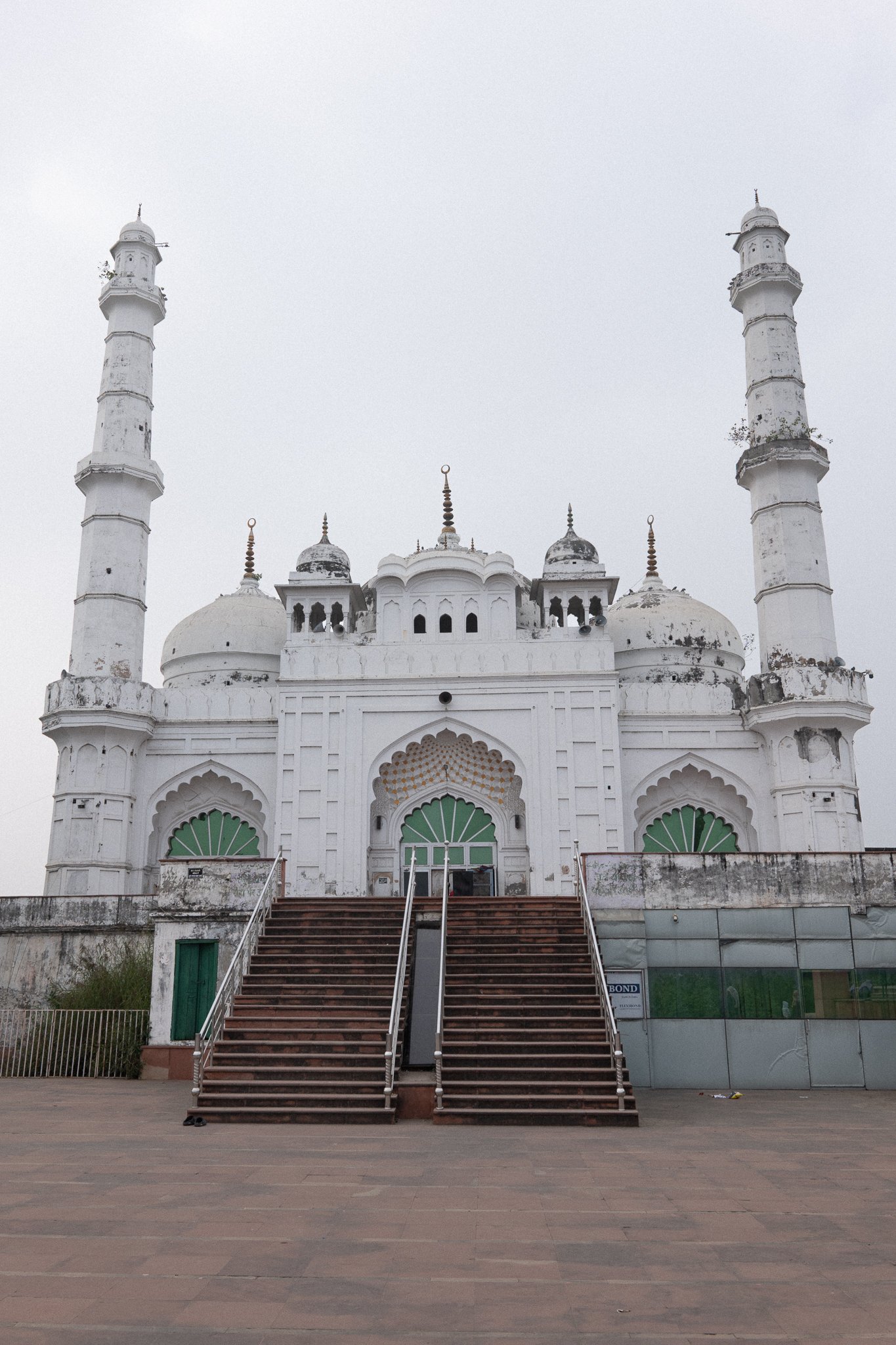
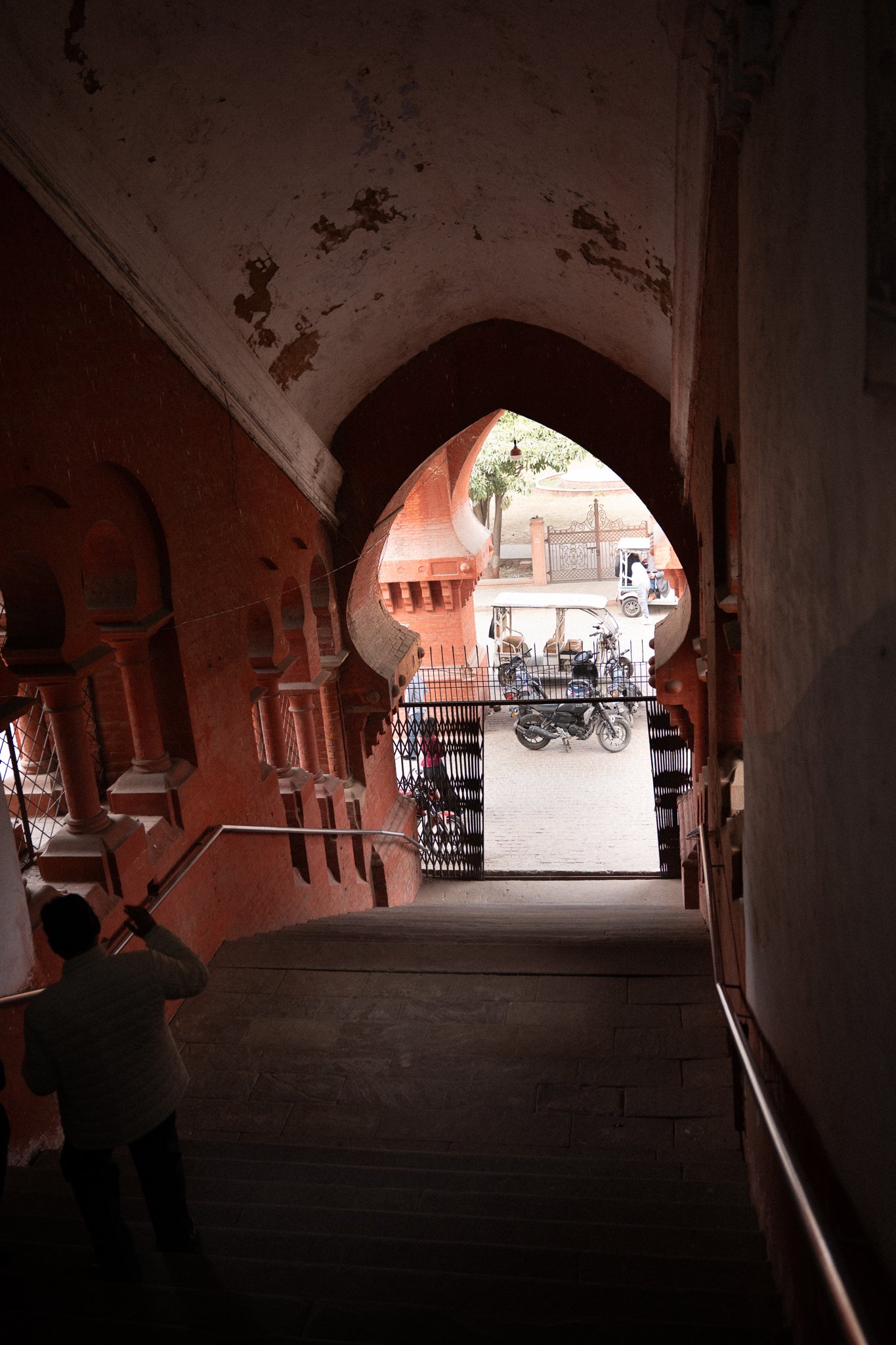
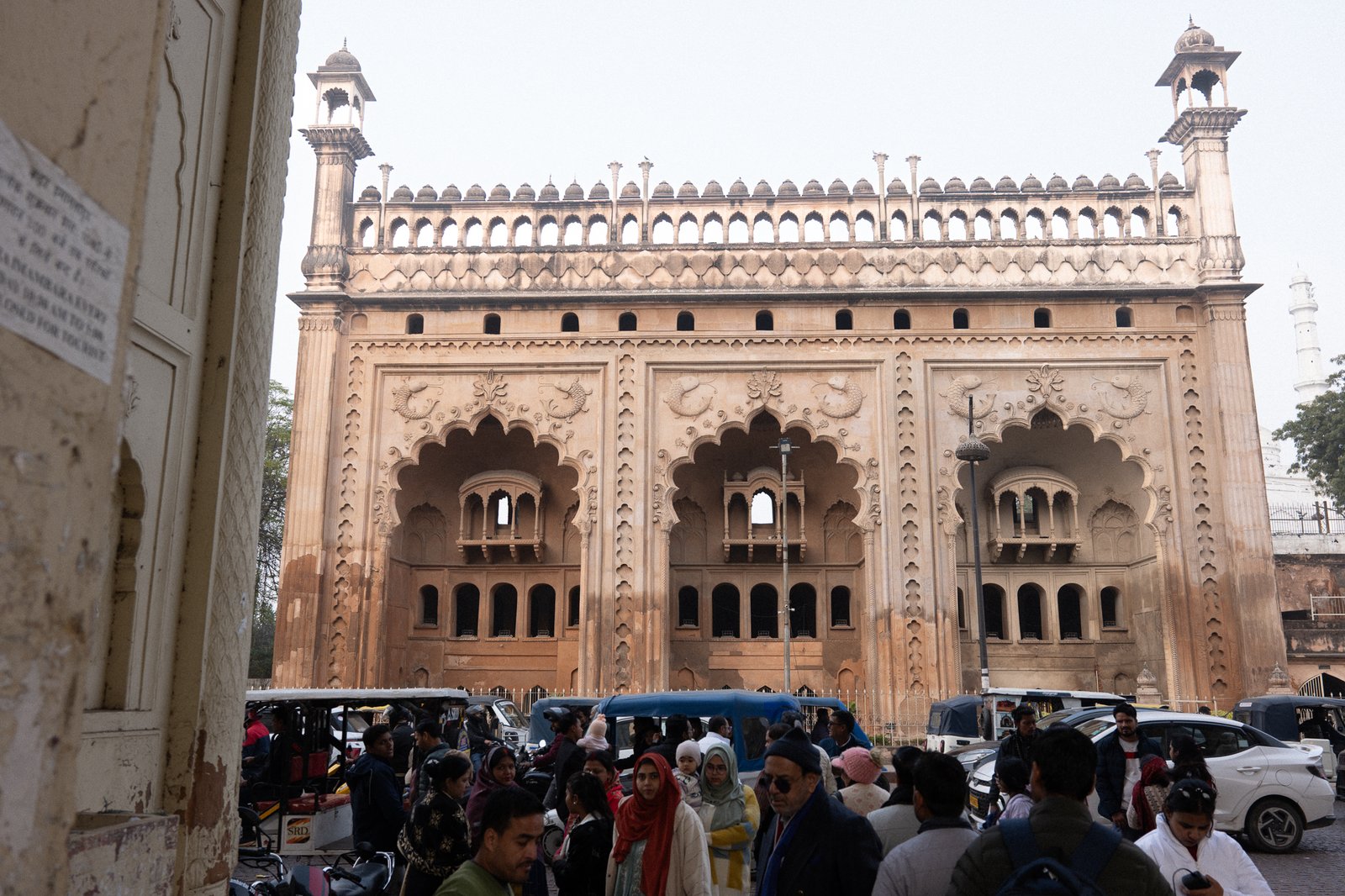
Walk Through the First War of Independence
Lucknow occupies a pivotal place in colonial history. This guided walking tour explores how the British East India Company established its stronghold in the city and the dramatic events of 1857 — the first war of Indian independence — that unfolded in its streets, residencies, and churches.
Led by Vishal Kaushal, you'll walk from St. Joseph's Cathedral through Hazratgunj to the sites that witnessed the Siege of Lucknow — where the British Residency fell under months of resistance and the fate of an empire hung in the balance. Vishal brings these events to life with vivid storytelling drawn from his deep knowledge of local history.
What You'll Discover
The British Residency
Explore the ruins of the Residency — scene of the famous Siege of 1857 — still bearing the marks of cannon fire.
St. Joseph's Cathedral
Begin at this elegant colonial-era cathedral in Hazratgunj — a symbol of British ecclesiastical architecture in Lucknow.
Hazratgunj Boulevard
Stroll through Lucknow's grandest colonial avenue, modelled on the boulevards of Victorian England.
Expert Local Guide
Vishal's in-depth knowledge of the 1857 uprising and colonial-era Lucknow brings every site to life.
Colonial Architecture
Observe the blend of Indo-Saracenic and Gothic styles that define Lucknow's British-era buildings.
Flexible Scheduling
Tours available daily — morning and evening slots to suit your plans.
Your Tour Route
-
110 minutes — Meeting Point
St. Joseph's Cathedral, Hazratgunj
We meet at this iconic colonial-era cathedral. Vishal introduces Lucknow's colonial history and how the British East India Company established its stronghold in the city, setting the context for everything you are about to see.
-
210 minutes
Imambara Sibtainabad
Explore the interior architecture of this lesser-known but remarkable imambara. Learn about Nawab Amjad Ali Shah — the patron behind its construction — and the artistic traditions he championed during his reign.
-
312 minutes
Tomb of Saadat Ali Khan
Vishal explains the history and architecture of this elegant mausoleum — the resting place of Nawab Saadat Ali Khan, whose complex relationship with the British East India Company shaped the fate of Awadh and set the stage for the events of 1857.
-
43 minutes
Neil's Gate
Pause at this colonial landmark named after Brigadier-General James Neill, a controversial figure of the 1857 uprising. Vishal shares the history and stories behind the gate — a small but significant marker of the British presence in Lucknow.
-
512 minutes — Final Stop
Martin's Villa / Farhat Baksh Kothi & Chhatar Manzil
End the tour at one of Lucknow's most extraordinary colonial complexes. Farhat Baksh Kothi — originally the riverside villa of French adventurer Claude Martin — was later used by the Nawabs as a pleasure palace before the British turned it into a government residence. Beside it stands the umbrella-domed Chhatar Manzil, once the zenana (women's quarters) of the Nawabi court, its distinctive parasol crown making it one of the most recognisable silhouettes on the Gomti riverbank.
Everything You Need
- Expert guided walking tour with Vishal Kaushal
- Entry to the British Residency complex
- In-depth colonial history commentary throughout
- Personalised stories of the 1857 uprising
- Small group experience (max 10 guests)
- Flexible meeting point in Hazratgunj
Not Included
- Transport to the meeting point
- Food or drinks during the tour
- Personal purchases